
Inspiring Global Citizens – An Educator’s Guide
This four-part toolkit equips you with everything you need to teach about the Sustainable Development Goals (SDGs) and global citizenship.
It includes fun and interactive lesson plans, activities, extensions, videos, real-world examples, discussion guides, and printable handouts that encourage learners to think critically and creatively, linking the personal, local, and global. The toolkit supports curriculum expectations for Grade 9 to 12 learners across Canada, as well as those enrolled in an International Baccalaureate (IB) programme. We hope it inspires both you and your students to take action and help create a more peaceful, prosperous, and equitable world for all.
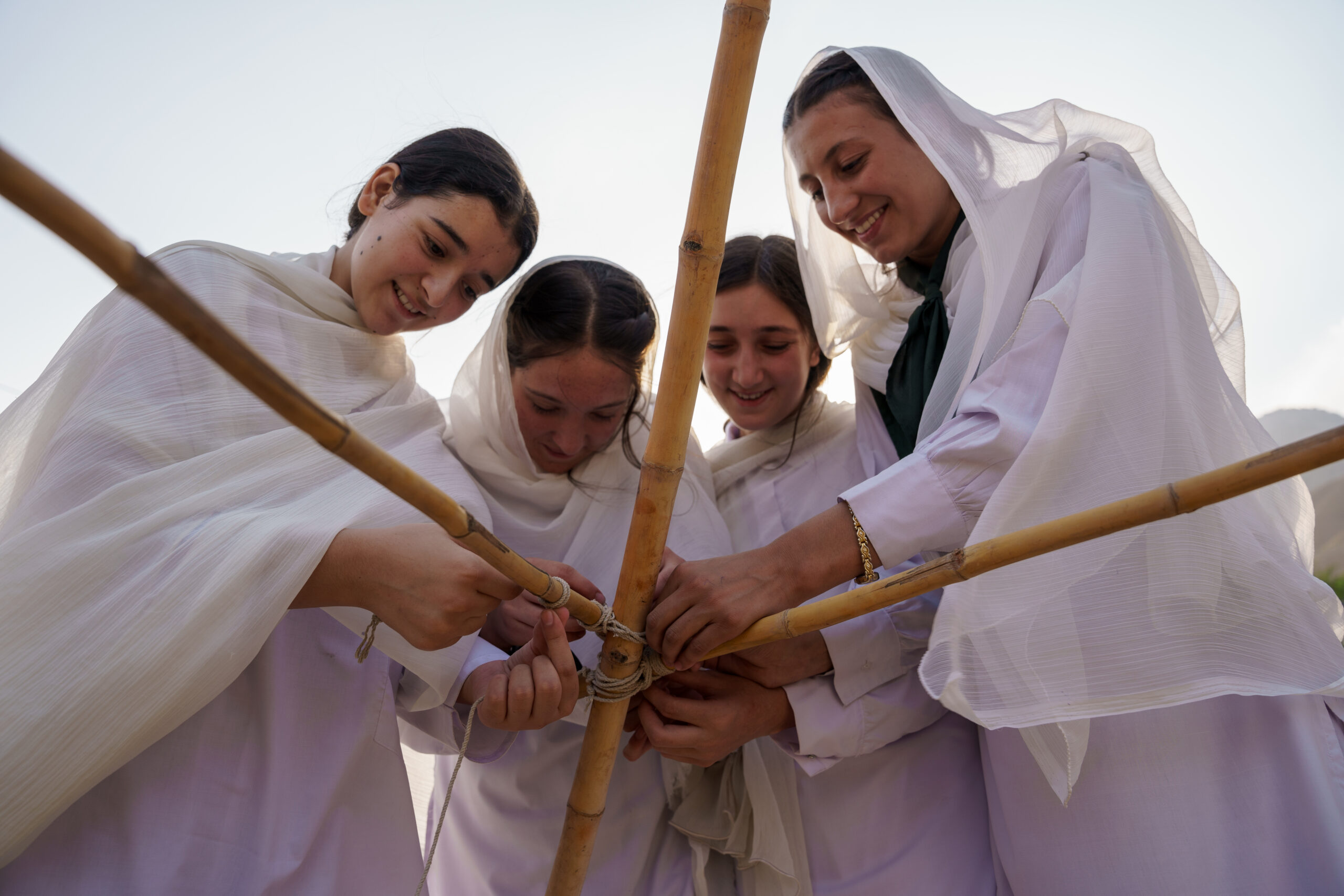
Connected World
This module focuses on our connected world and what it means to be a global citizen. Students will explore globalization, map personal and classroom connections to the world, and reflect on the views of global leaders, visionaries, thinkers, engineers, and activists.
Key concepts:
- Globalization
- Global citizenship
- Mind Map
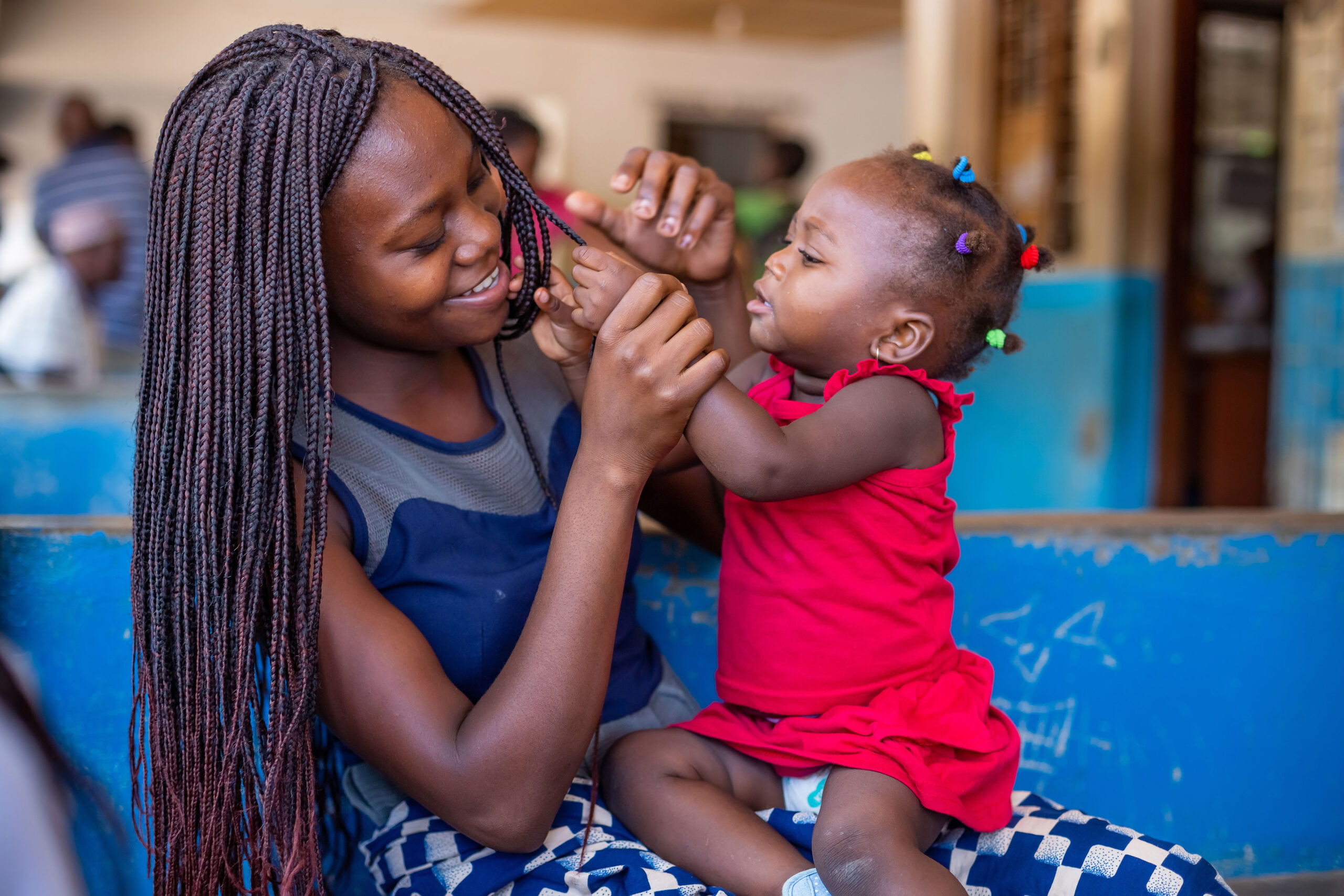
Quality of Life
This module focuses on quality of life, as well as the way it varies from country to country and within a given country.
Key Concepts:
- Privilege, equality, equity
- Quality of life
- Human Development Index
- Canada’s Quality of Life Framework
- OECD Better Life Index
- Survey
- Global development
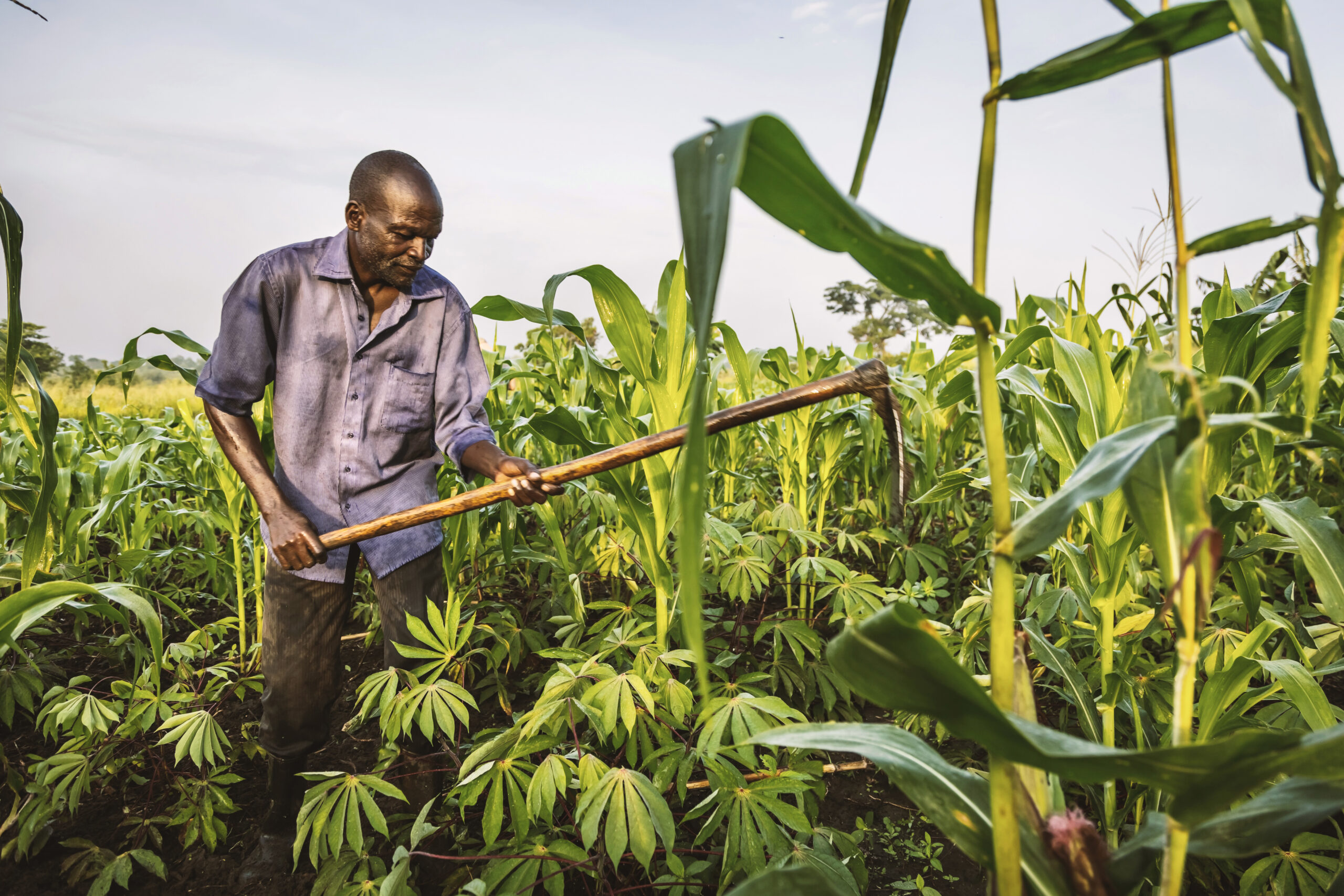
Sustainable Development
This module focuses on the United Nations Sustainable Development Goals (SDGs), also known as the Global Goals.
Key Concepts:
- Sustainable Development Goals (SDGs), or the Global Goals
- United Nations Declaration on the Rights of Indigenous Peoples
- Humanitarian assistance
- Sustainable development
- Problems, symptoms, and root causes
- United Nations
- Non-governmental organizations (NGOs)
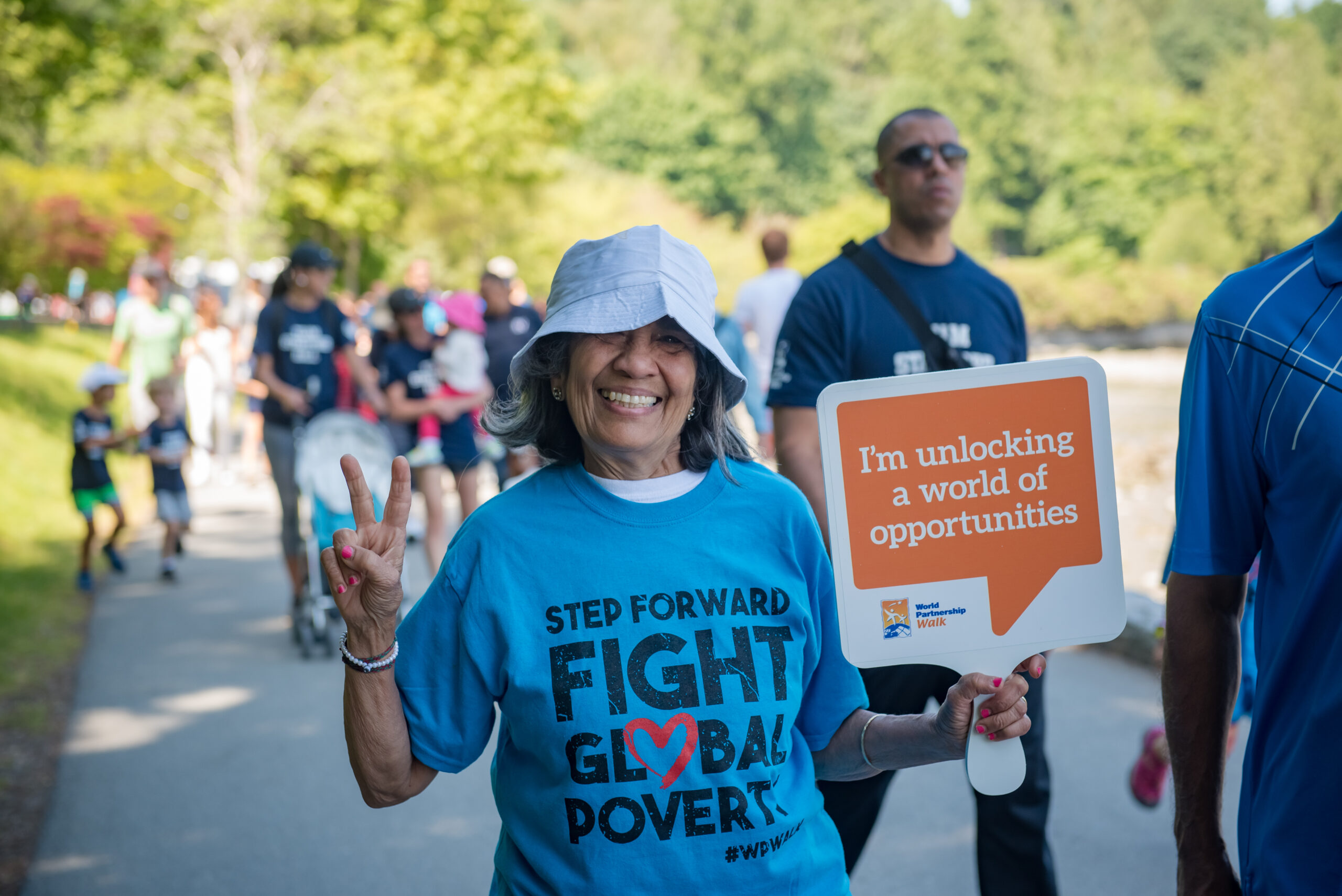
Making a Difference
This module focuses on being a global citizen and encourages students to act locally and be changemakers.
Key concepts:
- Global citizen
- Global citizen types and “climate warrior archetypes”
- Spark story
- Types of action: letters, petitions, social media campaigns, fundraisers, protests, educational materials, talks or presentations, inventions, and social entrepreneurship
- Consultation
- Campaign and action plan
- Reflection and evaluation



